


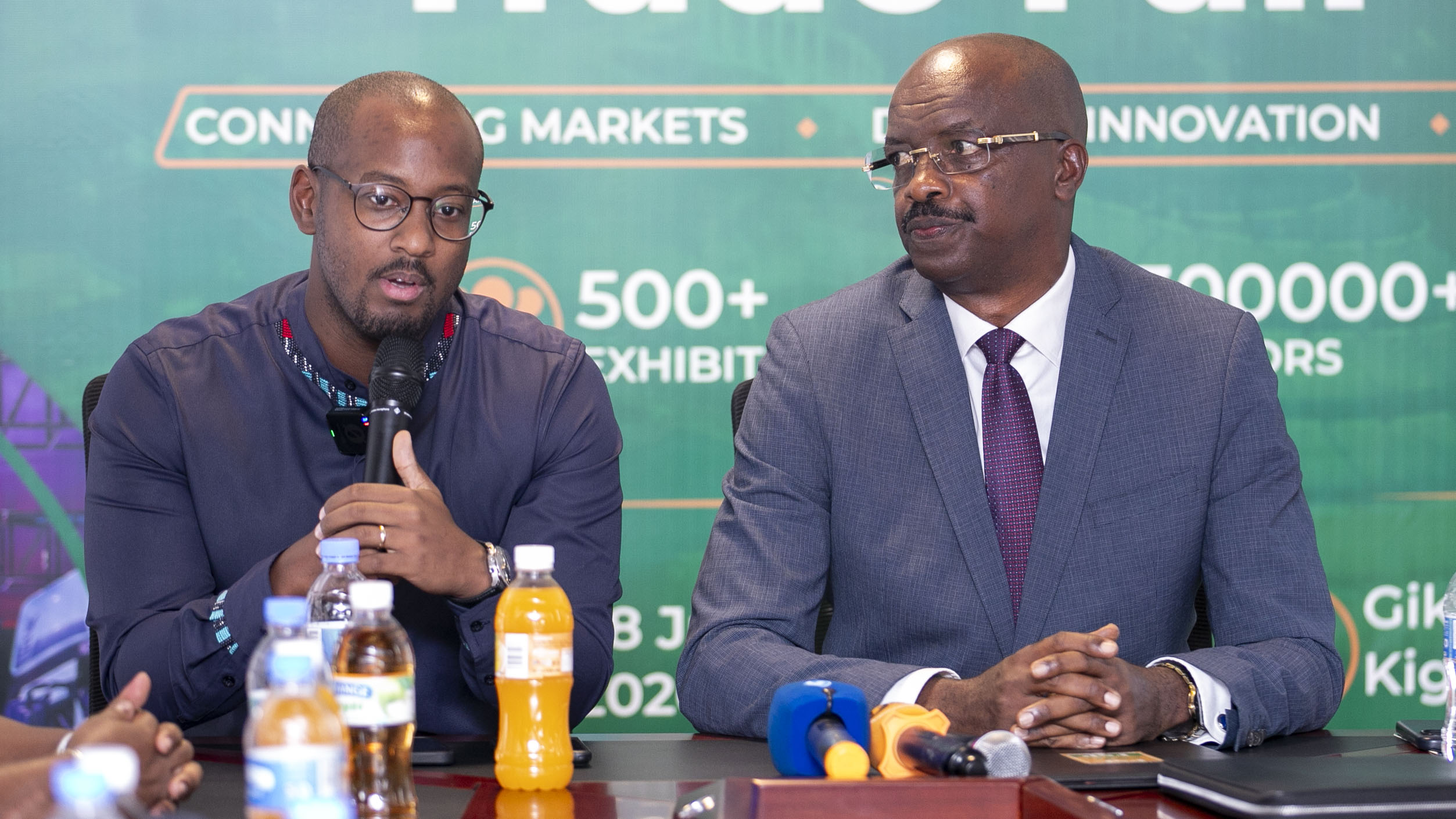
Rwanda’s Ministry of Trade and Industry (MINICOM) says the 29th Kigali International Trade Fair (Expo 2026) demonstrates the country’s growing industrial capacity, with Made in Rwanda products becoming increasingly competitive, affordable, and attractive to both local and international markets.
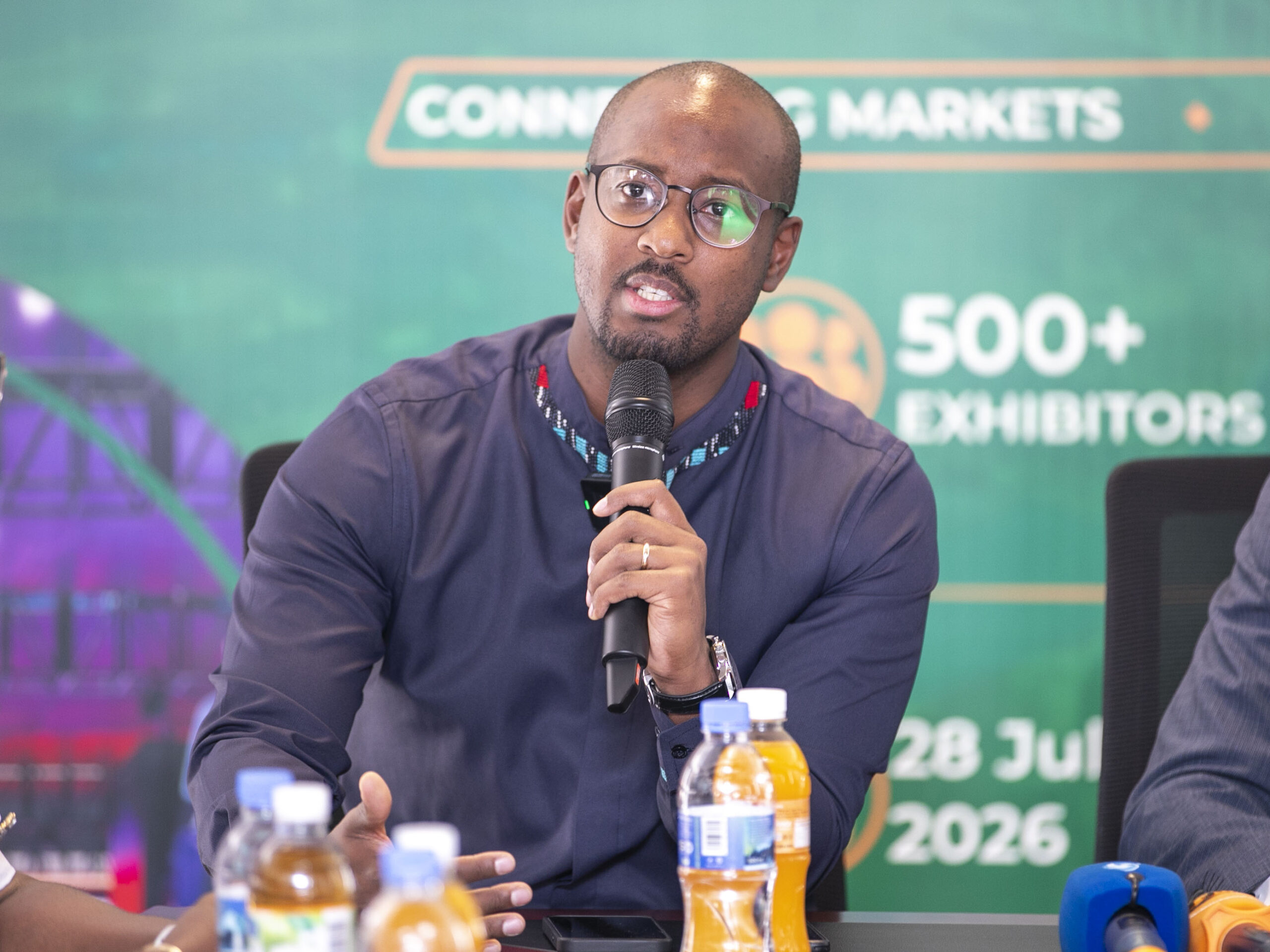
Minister of Trade and Industry, Antoine Kajangwe
The 29th Kigali International Trade Fair (Expo2026) officially opened on August 1, 2026, bringing together more than 500 exhibitors from over 20 countries. Organised through a partnership between MINICOM and the Private Sector Federation (PSF), the annual event showcases Rwanda’s industrial progress, promotes trade partnerships, and creates new business opportunities for manufacturers and investors.
Following a tour of selected exhibition stands, Minister of Trade and Industry Antoine Kajangwe said the quality and diversity of products on display reflect Rwanda’s growing economic ambitions. According to the Minister, the exhibition offers strong evidence that the country is making significant progress toward building a resilient, industrial-led economy.
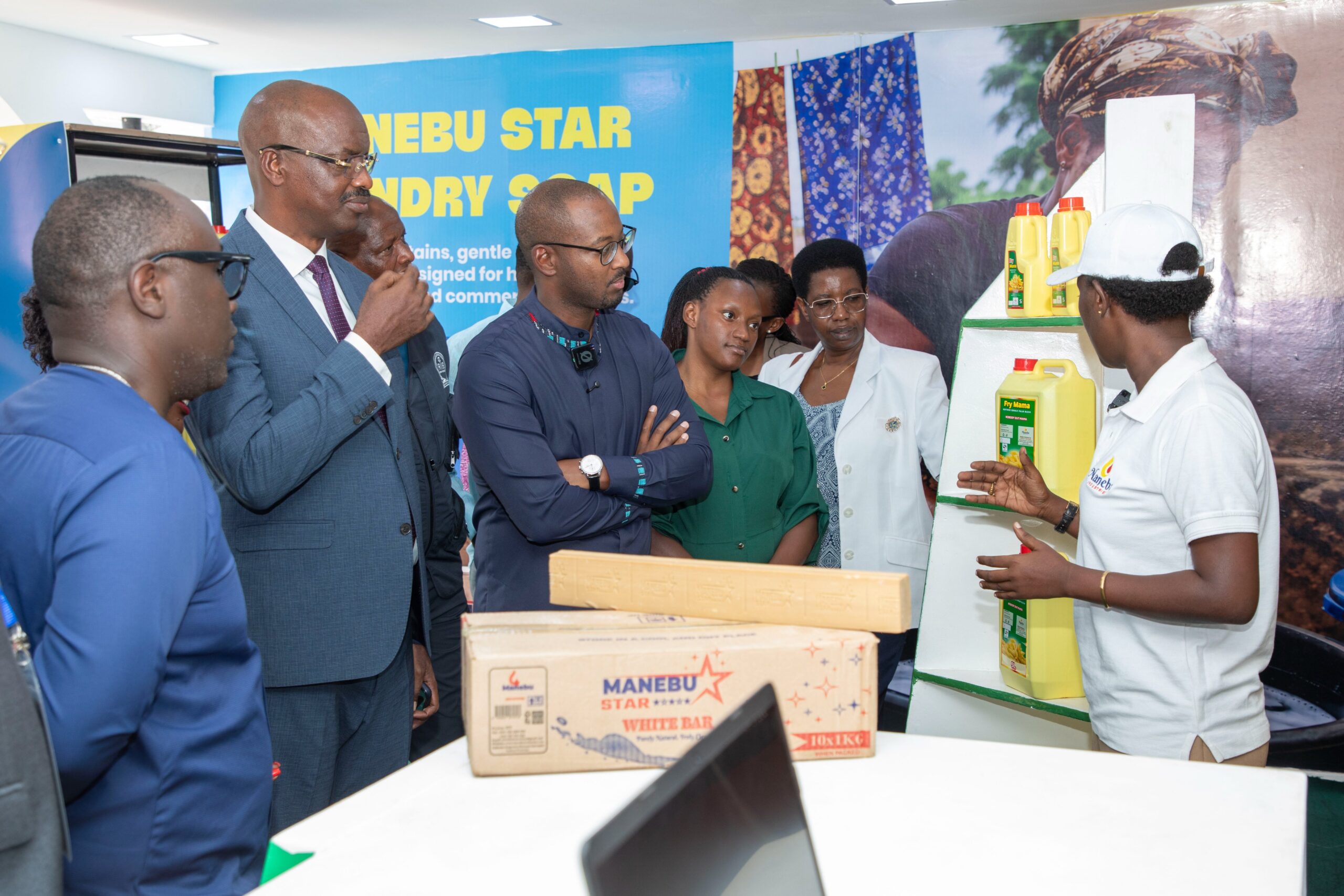
“From the exhibitors we visited, what we saw gives us confidence about the future direction of our country and the kind of economy we are working to build,” said Antoine Kajangwe.
The Minister noted that the Made in Rwanda initiative has expanded far beyond the textile industry and now covers a wide range of locally manufactured products. He added that increased domestic production has also made many products more affordable for consumers.
“We found quality locally-made clothing selling at very competitive prices, including shirts costing less than RWF 3,000, something that was difficult to find a few years ago,” he said.
Kajangwe emphasized that purchasing locally manufactured products strengthens domestic industries, creates employment opportunities, and increases tax revenues that support public infrastructure and essential government services. In addition, he encouraged Rwandans to continue supporting local businesses as a way of accelerating economic transformation.
Among the exhibitors is Entreprise Urwibutso Sina Gérard, which says the trade fair remains an important platform for expanding market access and increasing product visibility. The company is showcasing its well-known food and beverage brands, including Agashya, Akabanga, and other value-added agricultural products.
Felicien Ndagijimana, representing Entreprise Urwibutso Sina Gérard, said the company’s objective is to demonstrate that agricultural products often considered of low value can be transformed into competitive commercial brands.
“We want Rwandans to understand that crops which were once overlooked can be processed into high-value products that generate income and create jobs,” said Felicien Ndagijimana.

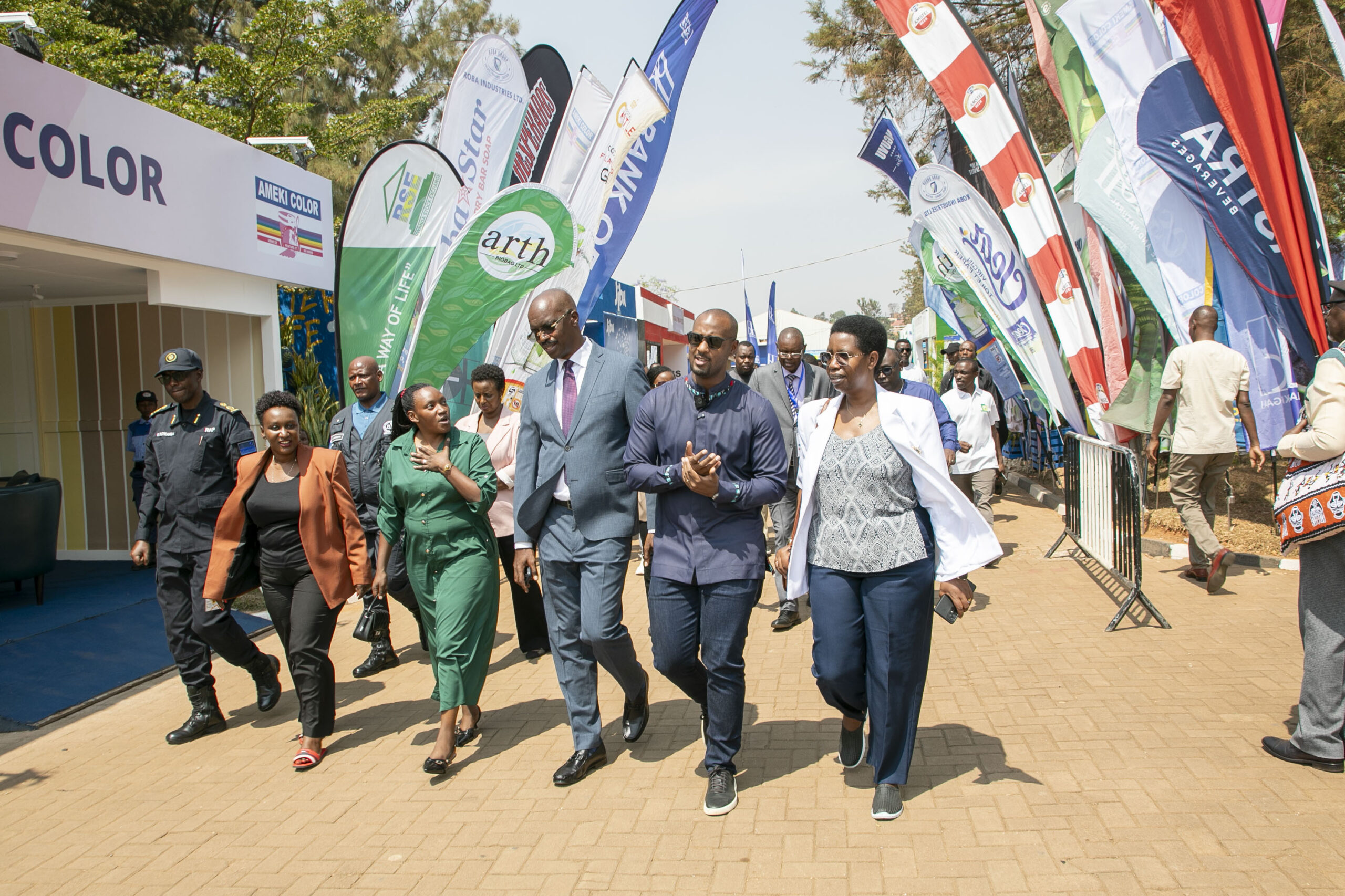
Minister Kajangwe and PSF Chief Executive, François Twagirumukiza toured exhibitors’ stands.
Furthermore, the company is promoting vocational education through College Foundation Sina Gérard, while also exhibiting Made in Rwanda garments produced by young people trained and employed through its skills development programs. According to the company, graduates receive practical industrial experience immediately after completing their training, with many securing permanent employment within the enterprise.
PSF announced that this year’s exhibition has recorded more than 500 exhibitors, up from 450 exhibitors in 2025, while over 300,000 visitors are expected to attend during the three-week event at Expo Ground in Gikondo, Kigali.
Speaking during the official opening ceremony, Minister Antoine Kajangwe said the growing number of exhibitors is a positive indicator of Rwanda’s expanding economy and increasing private sector participation.
“The growth in participation strengthens Rwanda’s economy and contributes to the stability and value of our currency. This exhibition reflects innovation, trade, and the future direction of our economy, and every Rwandan should support these efforts,” said Antoine Kajangwe.
Meanwhile, PSF Chief Executive Officer François Twagirumukiza said the exhibition provides local manufacturers with an opportunity to secure new export markets, noting that several Rwandan companies have already achieved significant international sales.
“We continue to see local manufacturers meeting domestic demand while expanding into export markets. Some companies have informed us that nearly 70 percent of their production is now sold internationally,” said François Twagirumukiza.
International exhibitors also praised the business environment created by Expo2026, saying the event strengthens investor confidence and promotes regional business partnerships.
Obidar Zaher, an exhibitor from Egypt, said Rwanda’s hospitality and the professional organisation of the exhibition continue to encourage his participation.
“We first participated in this exhibition in 2018, and I appreciate how welcoming the people are. The event is exceptionally well organised, and I am proud to be part of it,” said Obidar Zaher.
Dr. Nigest Haile, participating from Ethiopia for the first time, said she decided to attend after receiving positive feedback from fellow women entrepreneurs who had previously exhibited at the event. She added that support from MINICOM made their participation easier while strengthening economic cooperation between Rwanda and Ethiopia.

Gérard Sina of Entreprise Urwibutso is a potential exhibitor at this event
Rwandan exhibitors also highlighted the commercial value of the exhibition. Hagenimana Shaffy, representing Organic Products Bio, and Niyonzima Claudine, from Santech, said the event allows businesses to market their products, engage directly with customers, understand consumer preferences, and secure new sales opportunities.
Expo2026, which began on July 28, 2026, will run until August 17, 2026. Since its launch in 1998, the Kigali International Trade Fair has grown into Rwanda’s largest annual business exhibition, serving as a key platform for industrial promotion, investment attraction, and regional trade integration.
Beyond promoting products and services, Expo2026 continues to strengthen Rwanda’s private sector by creating business opportunities, expanding market access, attracting investment and encouraging innovation. For consumers, the exhibition offers direct access to quality Made in Rwanda products while strengthening confidence in locally manufactured goods, making the annual trade fair an important driver of inclusive economic growth and industrial development.
Alphonse