


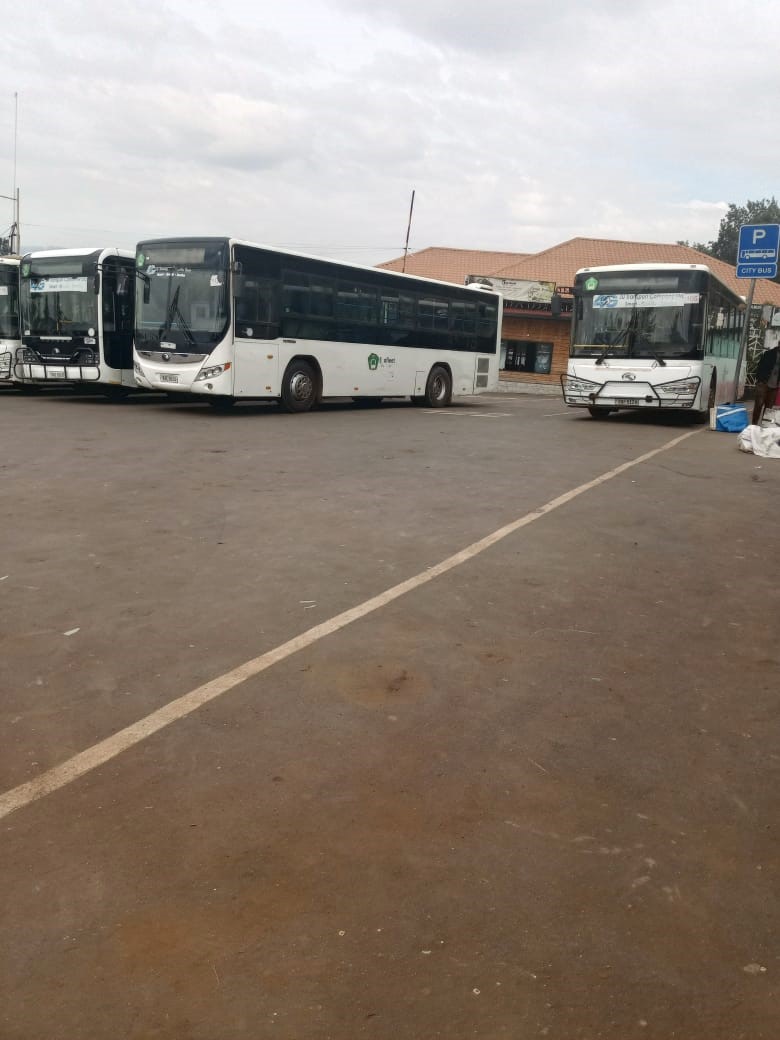
Public bus transport connecting the country’s provinces and also traffic continues in the city of Kigali
Without a reliable, modern, and well-managed transport system, economic activities would inevitably slow down, supply chains would weaken, and overall productivity could even become paralyzed.

These very large buses are supported by medium-sized buses that connect nearby provinces, such as Nyamata, Kayonza…
To begin with, passenger transport plays a critical and transformative role in the daily lives of citizens and in the broader functioning of the economy. It provides workers with dependable access to employment opportunities, allows students and learners to reach educational institutions, and ensures that populations can benefit from essential public and private services such as healthcare, administration, and commerce.
A well-structured, accessible, and affordable public transport network significantly improves quality of life while promoting social inclusion. It reduces geographic and economic inequalities by connecting individuals to opportunities, thereby strengthening workforce participation and economic dynamism.
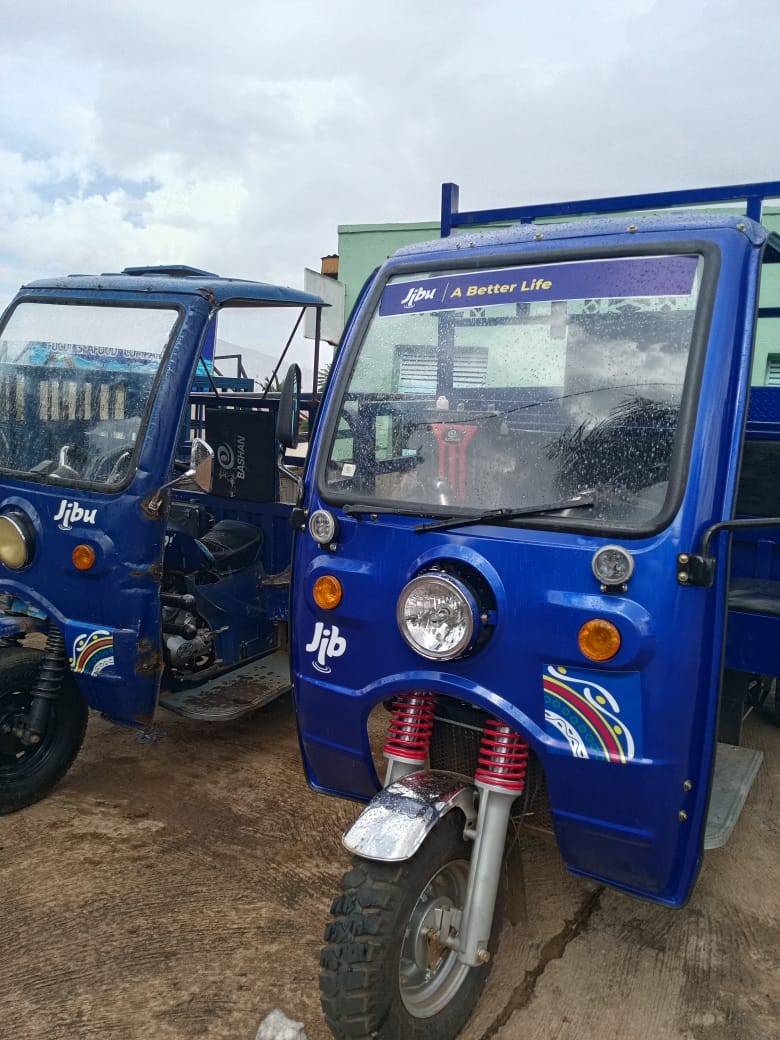
Motorcycle transport with a bodywork is used to transport goods over short distances.
Furthermore, freight transport represents a fundamental pillar for trade, industry, and commercial competitiveness. It guarantees the timely delivery of raw materials to production sites and facilitates the efficient distribution of finished products to both domestic and global markets.
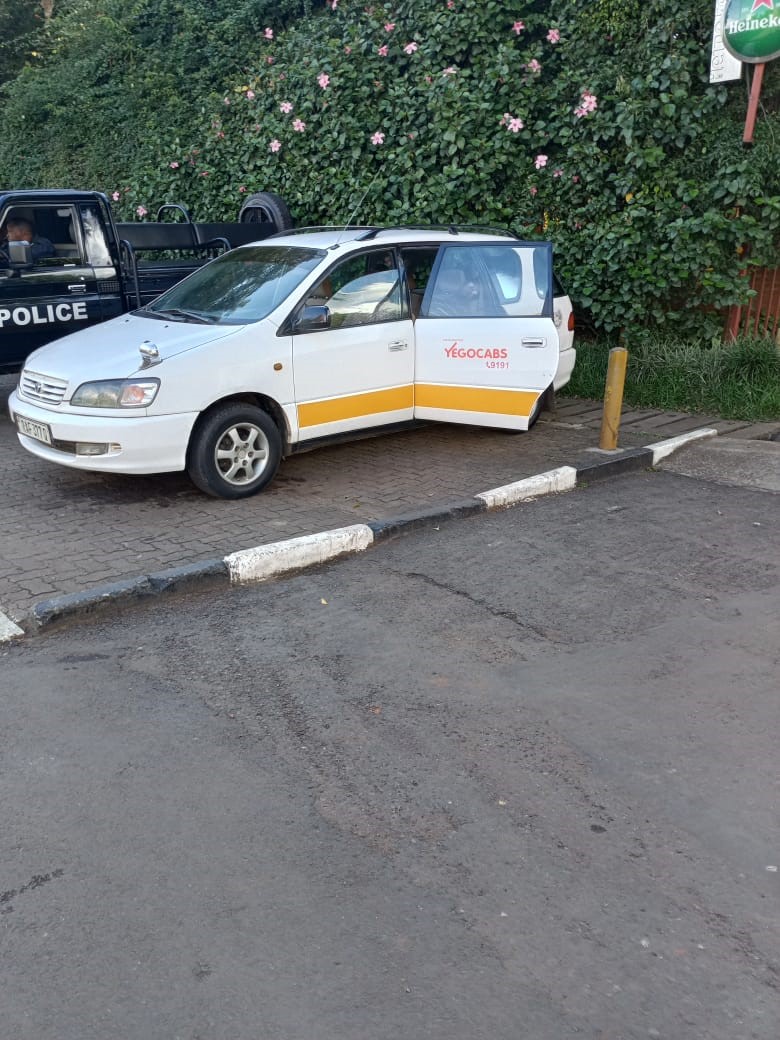
Taxis are a bit expensive and are used mainly by tourists, who are numerous in the city of Kigali and in tourist areas like Musanze and Rubazu, and even by wealthy people !
High-performing logistics systems enable companies to reduce operational costs, optimize delivery timelines, and enhance customer satisfaction. In a highly competitive global economy, the efficiency of transport and supply chain systems directly influences a nation’s attractiveness to investors and its ability to compete internationally. Conversely, inefficient or underdeveloped transport infrastructure can result in delays, increased costs, lost revenues, and reduced trade flows.
Motorcycle transport is commonplace in the city of Kigali and elsewhere in the country.
In addition, the transport sector is a significant generator of employment and economic value creation. It supports a wide range of professions, including drivers, logistics managers, engineers, maintenance technicians, infrastructure planners, and supply chain specialists. Beyond direct employment, the sector also creates numerous indirect job opportunities across related industries such as manufacturing, construction, and services.

Bicycle transport also helps the people of Kigali with limited means, and even in rural areas of the country, it is everywhere!
Strategic investments in transport infrastructure and services therefore not only stimulate job creation but also contribute to the development of advanced technical skills and professional expertise, strengthening human capital and long-term economic resilience.
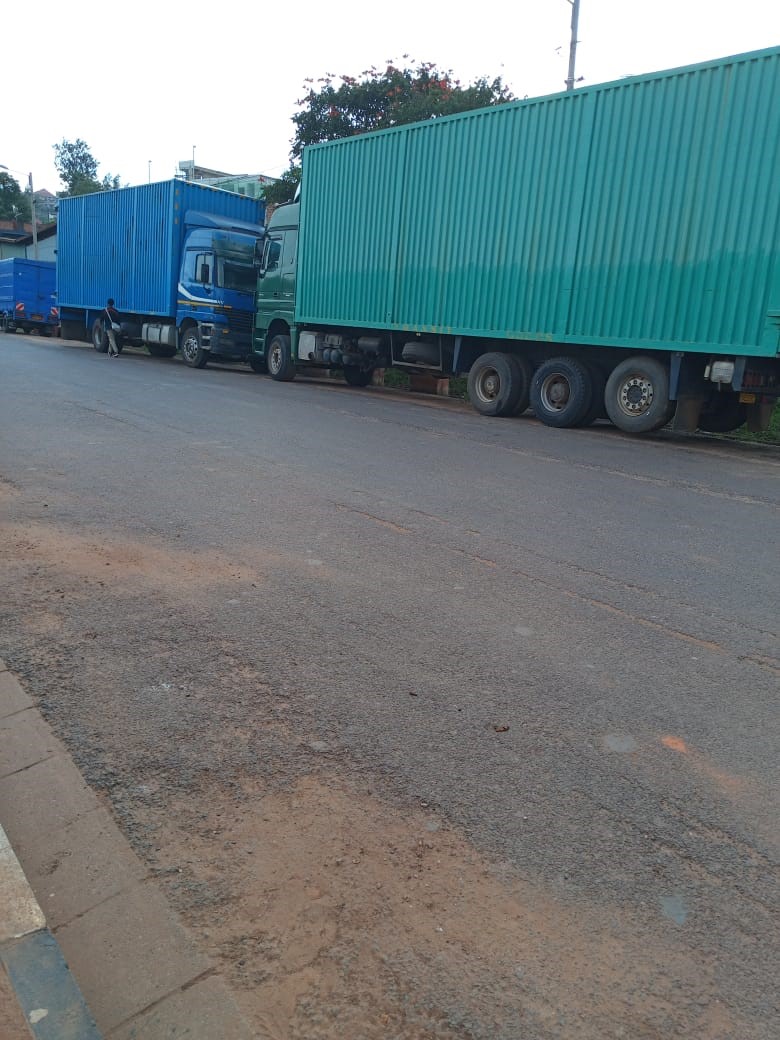
Transborder trucks transport goods from the ports of Dar es Salaam, Mombasa, and elsewhere, sometimes used by Bralirwa to transport beer from Gisenyi to Kigali.
Moreover, an efficient and inclusive public transport system plays a vital role in balanced territorial development and regional integration. By improving connectivity, it helps unlock the economic potential of rural and remote areas, facilitates trade between regions, and encourages the decentralization of economic activities.
This leads to a more equitable distribution of wealth and resources, reducing excessive pressure on major urban centers while promoting inclusive and sustainable growth across the entire country.
In the context of growing environmental and sustainability challenges, public transport also emerges as a key solution for reducing greenhouse gas emissions and minimizing environmental impact.By promoting the use of shared and energy-efficient modes of transportation and by optimizing freight logistics, countries can significantly lower carbon emissions while maintaining strong economic performance.
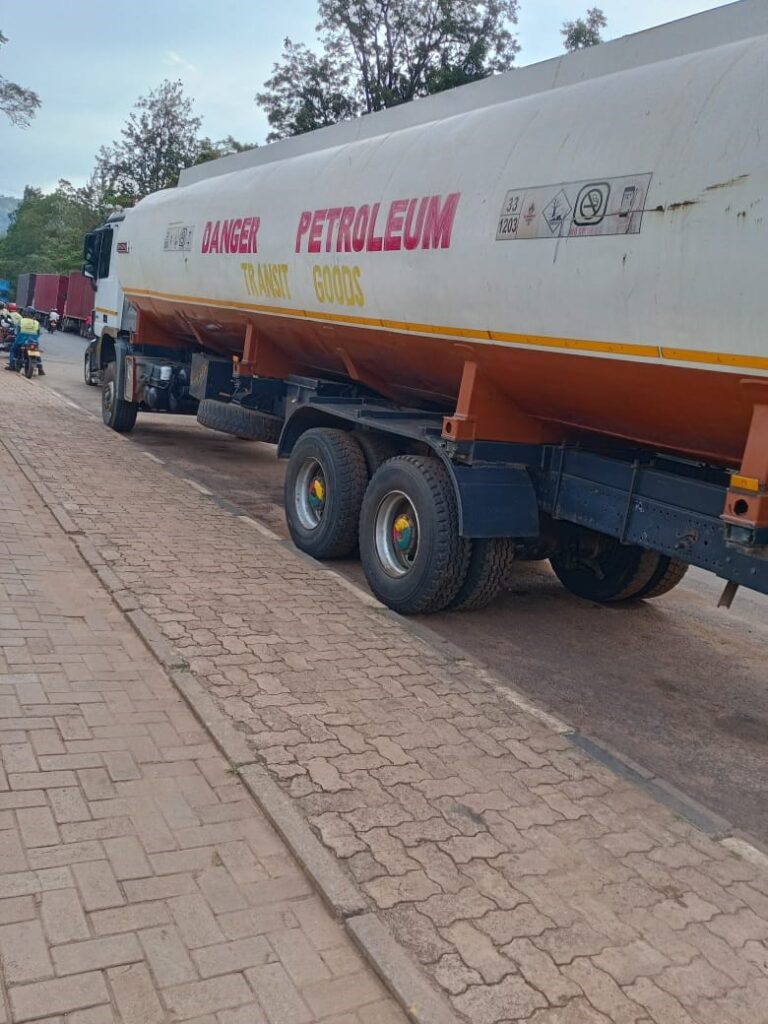
Camon tanker trucks are used solely for transporting petrol, diesel fuel..
Investing in greener transport solutions, such as low-emission vehicles and smart logistics systems, is not only an environmental necessity but also a strategic economic opportunity in the transition toward a sustainable future.
In conclusion, public transport for passengers and goods is far more than a basic public service—it is a strategic asset and a cornerstone of national economic performance. Its continuous development, modernization, and optimization should remain a top priority for governments, policymakers, and private sector stakeholders.
By strengthening transport systems, nations can ensure sustainable, inclusive, and competitive growth while enhancing the well-being of their populations and their position in the global economy.
Ntirenganya Justine