


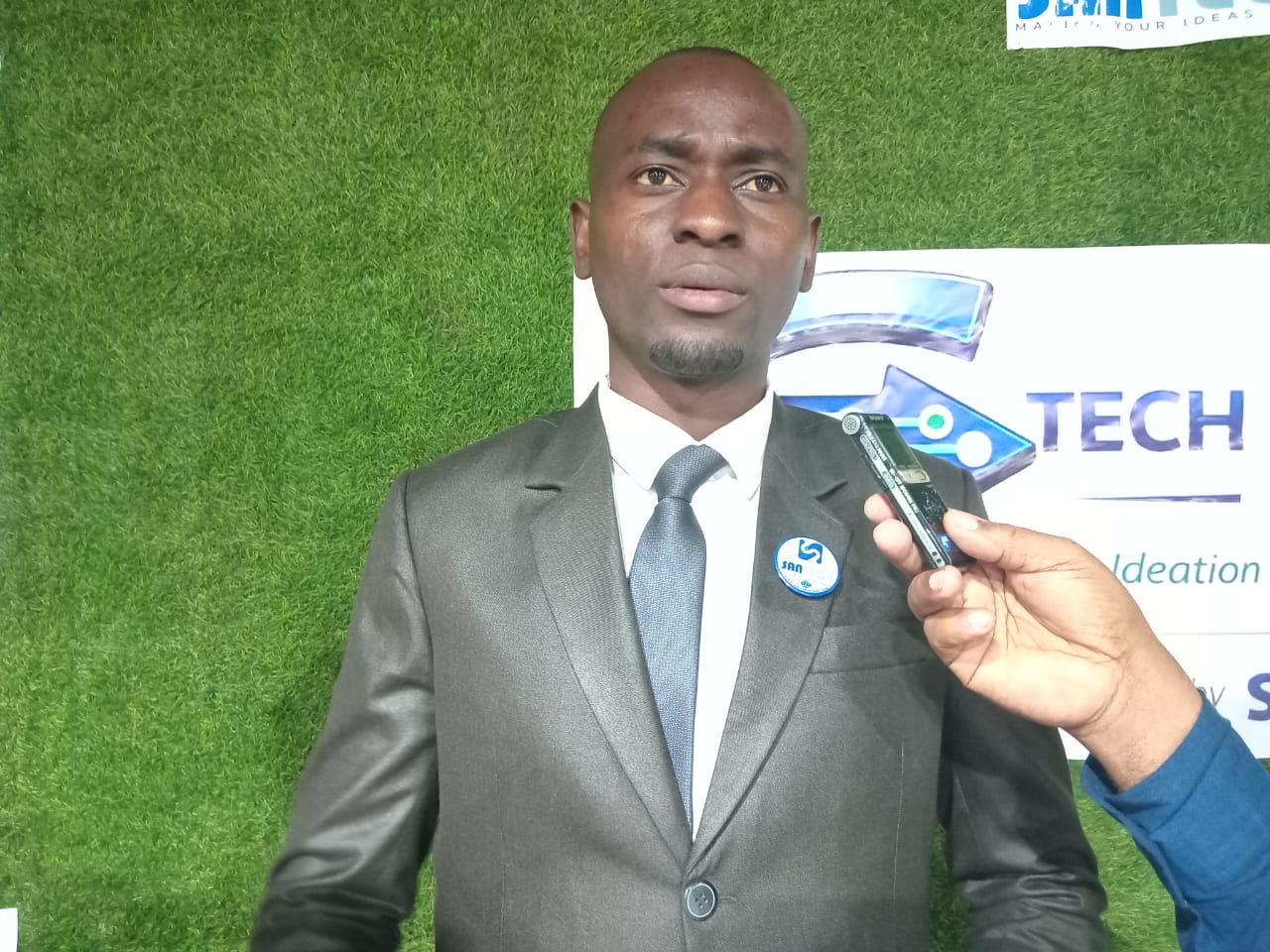
SanTech Director Shema Pacifique has urged students to focus on developing projects during their studies and to actively implement them, saying such initiatives can contribute to job creation and help others find employment.
He made the remarks during an awards ceremony recognizing the best student projects. On the occasion, he emphasized that abandoning a project after completing it means missing important opportunities, particularly the chance to collaborate with major companies.
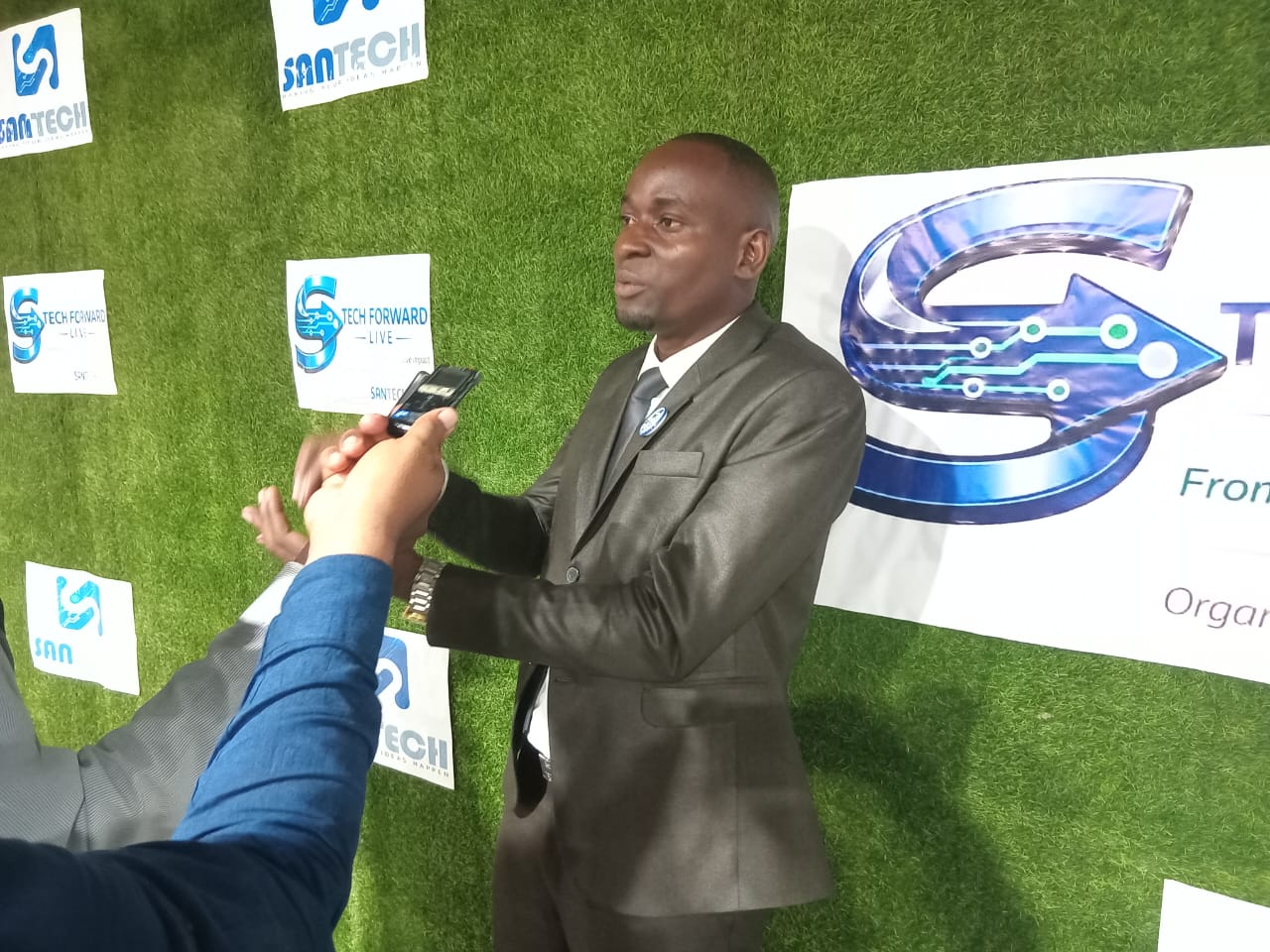
SanTech Director, Shema Pacifique
“If we finish a project and abandon it, we miss out on many opportunities. If I had abandoned mine, I would not be working today with the National Bank of Rwanda and other major technological institutions we collaborate with,” he said.
“Students need to understand that their projects are not just about getting good grades; they can also provide solutions to unemployment and create jobs.”
To date, SanTech says it has trained more than 1,500 people and helped transform 46 projects from ideas into concrete, implemented solutions.
The initiative aligns with the National Strategy for Transformation (NST2), through which Rwanda aims to create at least 250,000 jobs annually.
The Chancellor of the University of Rwanda, Professor Kayihura Muganga Didas, also noted that the failure to implement approved university projects represents a significant loss for the country.
“Sometimes students graduate and spend a year or two waiting for jobs, even though they worked on projects during their studies without ever bringing them to fruition. If these ideas were truly implemented, they could contribute to job creation and national development,” he said.

The participants
Among the winning projects was one developed by Keza Shania, who took first place in the competition. Her project uses artificial intelligence to quickly diagnose patients and identify those requiring urgent medical assistance, a process known as triage.

Keza Shania has a project to create an AI that will be used to perform « triage » in the doctor’s office
“The mortality rate among patients reaches more 44 percent due to delays in treatment. In addition, hospitals face shortages of doctors and nurses, making it difficult to treat all patients quickly. This technology will help identify those who need immediate care,” she said.
According to her, the project could help improve medical services, particularly in hospitals dealing with a high influx of patients beyond the capacity of their staff.
Alphonse Uhagaze